
How to Reduce OPEX in Solar Module Manufacturing
How to Reduce OPEX in Solar Module Manufacturing
The solar module manufacturing industry is currently under strong pressure on operating costs. Fierce competition from China, driven by massive economies of scale, forces manufacturers to maintain very tight selling prices, leaving little margin to absorb internal cost increases. This is compounded by volatility in key raw materials such as polysilicon and solar glass, rising energy costs and increasing regulatory requirements. In this context, OPEX reduction has become a critical factor in sustaining competitiveness and ensuring the long-term viability of operations.
Why OPEX Reduction Is a Strategic Opportunity
Optimizing OPEX has become a strategic opportunity for solar module manufacturers to strengthen competitiveness, resilience and profitability. By improving operational efficiency, reducing waste and adopting smarter technologies, companies not only contain costs but also create more agile operations capable of adapting to market changes. This OPEX reduction frees up resources for innovation, increases product value and reinforces long-term financial stability, turning today’s challenges into drivers of more sustainable growth.
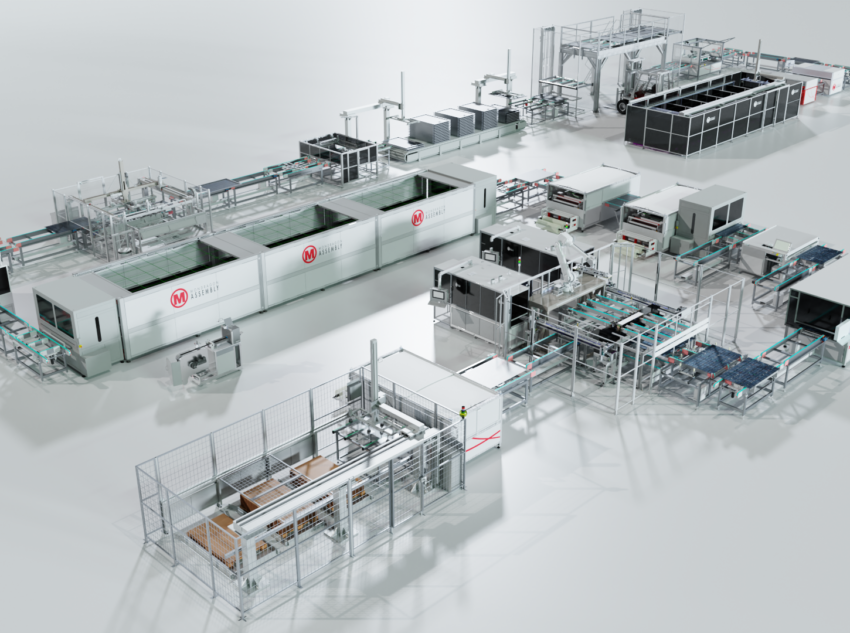
Reducing OPEX in photovoltaic manufacturing requires adopting solutions that improve process efficiency. In this regard, Mondragon Assembly integrates automation, precise equipment control and optimized line designs that help minimize downtime, reduce consumption and lower maintenance requirements.
What Is OPEX and Why Is It Key to Optimize It?
Understanding What OPEX Means
OPEX (Operational Expenditure) refers to all recurring costs incurred by a company to keep its day-to-day operations running. In solar module manufacturing, this includes energy, maintenance, labor, raw materials, logistics and general services. Unlike CAPEX, which covers investments in fixed assets, OPEX represents the continuous flow of expenses required to ensure stable, efficient and profitable production, making it a key indicator of operational efficiency.
Its Impact on the Financial Health of the Business
OPEX has a direct impact on a company’s financial structure. High operating costs reduce profit margins and liquidity, limiting the ability to reinvest in innovation, expansion or process improvement. When OPEX is optimized, resources are freed up and profitability improves, increasing resilience to market fluctuations and enabling more effective strategic planning. Efficient management of operating costs therefore translates into a more solid and flexible financial structure.
In short, OPEX is the cornerstone on which the entire solar module manufacturing business is built.
Why Many Companies Look for Partners to Reduce OPEX
Many companies are turning to specialized partners to reduce OPEX because outsourcing knowledge and technology allows improvements to be implemented more quickly and efficiently. Collaborating with expert providers—such as automation integrators or advanced equipment manufacturers—makes it easier to optimize processes, reduce waste and minimize downtime without assuming all the risks or investments internally. This approach not only helps contain operating costs but also brings proven expertise, accelerating competitiveness and business resilience.
The Main OPEX Challenges in Today’s Businesses
The main OPEX challenges today revolve around maintaining operational efficiency in the face of rising costs and an increasingly competitive market. For Mondragon Assembly’s customers, these challenges typically focus on:
- High energy consumption of production lines
- Variability in raw material quality
- Downtime caused by maintenance or machine adjustments
- The need to adapt processes to new module designs without losing productivity
Added to this is the pressure to reduce operating costs without compromising product reliability, making precise OPEX management a strategic factor in ensuring competitiveness and profitability.
How Mondragon Assembly Contributes Directly to OPEX Reduction
Mondragon Assembly’s solutions help reduce OPEX through the comprehensive optimization of photovoltaic production lines. Advanced automation, real-time control and monitoring systems, and efficient workflow designs make it possible to minimize waste, reduce downtime and optimize energy consumption. This increased operational stability also supports process standardization and reduces errors, lowering maintenance costs and improving productivity.
Thanks to this approach, Mondragon Assembly’s customers can measure tangible OPEX savings, strengthening profitability and competitiveness in a sustainable way.
Strategic Benefits of OPEX Reduction
Beyond direct OPEX reduction, process optimization enables more stable, efficient and sustainable operations. Key benefits include:
- Greater resilience to market fluctuations, allowing rapid adaptation to changes in demand or raw material prices
- Improved sustainability through efficiency gains and waste reduction
- Increased overall profitability by maximizing revenues and minimizing costs
- Enhanced operational safety by reducing the risk of failures or accidents
- Positive impact on strategic KPIs such as productivity, energy efficiency and product quality
Why Collaborate with Mondragon Assembly to Optimize OPEX
Collaborating with Mondragon Assembly on OPEX optimization means adopting a technological and practical approach that identifies efficiency opportunities at every stage of production. Our experience in photovoltaic production lines and international projects enables us to implement measurable and sustainable improvements, turning operational challenges into competitive advantages that strengthen business profitability and resilience.
If you would like to explore how to optimize OPEX in your production line, we would be happy to discuss it with you. You can contact us at:
info@mondragon-assembly.com
Mondragon Assembly on LinkedIn