
Solar Panel Recycling: Unlocking the Value of Ultrapure Glass
Solar Panel Recycling: Unlocking the Value of Ultrapure Glass
Solar Panel Recycling Matters More Than Ever
As the global solar industry continues to grow at an unprecedented pace, millions of photovoltaic panels installed over the past decades will eventually reach the end of their operational life. Solar panel recycling is no longer just an environmental option; it is a strategic necessity to recover valuable materials, reduce solar panel waste, and support a truly circular economy.
As the industry expands, photovoltaic recycling and advanced solar recycling technologies will play a critical role in maximizing resource recovery, reducing environmental impact, and creating a more sustainable solar value chain.
What Materials Can Be Recovered from End-of-Life Solar Panels
Solar panels contain valuable materials that can be recovered and reused through advanced solar panel recycling processes. As the solar industry grows, recovering these resources is becoming increasingly important to reduce waste, conserve raw materials, and support a circular economy.
Modern PV recycling technologies can recover a wide range of materials from end-of-life photovoltaic modules. Depending on the panel type, the main recoverable materials include:
- Glass, which represents the largest share of a solar panel and can be reused in glass manufacturing.
- Aluminum, recovered from the frame and reintroduced into new industrial applications.
- Copper, extracted from cables and electrical connections.
- Silicon, recovered from solar cells and suitable for further purification and reuse.
- Silver, one of the most valuable materials in PV modules, recovered from cell metallization.
- Polymers and backsheet materials, which can be separated for energy recovery or specialized recycling routes.
Recovering these materials through solar panel recycling helps reduce dependence on virgin resources while supporting the long-term sustainability of the photovoltaic industry.
Why Glass Is the Largest Recoverable Fraction in a Solar Panel
Glass is the most abundant material in a conventional photovoltaic module, accounting for approximately 70% to 80% of its total weight. Because of this high concentration, glass recovery plays a crucial role in improving both the environmental and economic performance of solar panel recycling.
Maximizing glass recovery is essential for building a sustainable circular economy for the photovoltaic industry.
Shredded glass is typically downcycled into lower-value applications such as construction aggregates, insulation materials, or cement manufacturing. High-quality recovered glass can be reused in industrial applications, reducing the demand for virgin raw materials and lowering the carbon footprint associated with glass production.
One of the key challenges in solar panel recycling is separating the glass from the encapsulant and solar cells without causing excessive contamination or degradation. Advanced PV recycling technologies, such as waterjet-based processes, enable cleaner and more efficient glass separation, preserving material quality and increasing its reuse potential.
As millions of solar panels approach the end of their service life, recovering glass at high purity levels will become increasingly important. Transforming what was once considered solar panel waste into a valuable secondary raw material creates a more resource-efficient and sustainable future for solar energy.
Every ton of glass recovered is another step toward closing the loop in the solar value chain.
The Difference Between Conventional Glass Recovery and Ultrapure Glass Recovery
Conventional Recycling
Most solar panels recycled today are processed through mechanical shredding. While this approach is effective for reducing volume and recovering bulk materials, it breaks the module into a mixed stream of glass, silicon, metals, polymers, and fine particles. Once these materials are shredded, separating them into high-value fractions becomes increasingly difficult.
As a result, much of the recovered glass is downcycled rather than reused in demanding industrial applications. While conventional solar recycling methods achieve material recovery, they often struggle to preserve material quality.
Contamination Issues
The main challenge with shredded glass is contamination. During the shredding process, glass fragments become mixed with traces of silver, silicon, EVA encapsulant, backsheet materials, copper, and other impurities.
Even small amounts of contamination can prevent the glass from being reused in high-quality glass manufacturing. Instead, it is often redirected to lower-value applications such as construction materials or cement production.
For the photovoltaic industry to become truly circular, preserving material purity is just as important as maximizing recovery rates.
The Ultra-Pure Glass Concept
Ultra-pure glass refers to glass recovered with minimal contamination and high optical quality. Achieving this requires separating the different layers of the solar panel before destructive size reduction occurs.
By recovering the glass in large, clean fractions, recycling companies can preserve its value and open the door to higher-value reuse pathways. Advanced solar panel delamination technologies allow glass to be separated more selectively, reducing contamination and improving purity levels compared with conventional shredding approaches.
Quality Requirements for Reuse
Not all recovered glass is equal. To be reintroduced into high-value industrial processes, glass must meet strict quality requirements related to:
- Purity and contamination levels
- Particle size distribution
- Optical properties
- Chemical composition
- Trace metal content
The cleaner the recovered glass, the greater its potential for reuse and the higher its economic value. This is why future recycling technologies must focus not only on recovery efficiency but also on material quality.
As the volume of end-of-life solar panels continues to increase worldwide, ultra-pure glass recovery will become a key factor in creating a truly circular photovoltaic industry.
From Solar Panel Waste to Reuse: Creating a Circular Value Chain for PV Glass
Closed-Loop Recycling
As millions of solar panels reach the end of their lifetime, recycling must go beyond simple material recovery. The objective is to keep valuable resources, especially glass, within the production cycle.
Achieving this requires recycling processes that preserve material quality rather than simply reducing panels to mixed fractions. Advanced PV recycling strategies focus not only on recovering materials but also on maintaining their value for future use.
Reintroduction into Industrial Applications
High-quality recovered glass can become a valuable secondary raw material for the flat glass industry. The cleaner the glass and the lower the contamination levels, the greater its reuse potential and economic value.
This makes material preservation a key challenge for the future of photovoltaic recycling, where high-purity outputs are increasingly becoming a competitive advantage.
Circular Economy Benefits
Recovering and reusing PV glass reduces the need for virgin raw materials, lowers energy consumption, and minimizes waste generation. High-quality solar recycling processes therefore contribute directly to a more resource-efficient and sustainable photovoltaic industry.
Why High-Purity Material Recovery Will Define the Future of PV Recycling
Regulatory Pressure
As solar panel waste volumes increase worldwide, regulations are evolving from simple recycling targets to a greater focus on material recovery quality and quantity. Recovering high-purity materials will be essential to meet future sustainability and circular economy requirements.
Resource Efficiency
Solar panels contain valuable materials such as glass, silicon, aluminium, copper, and silver. Recovering these materials at high purity levels allows them to be reused more effectively, reducing the need for virgin raw materials and lowering the environmental footprint of the solar industry.
Economic Value Creation
The value of recycled materials depends not only on how much is recovered, but also on their quality. High-purity fractions can access higher-value markets and create stronger economic incentives for recycling.
The future of PV recycling lies in preserving material value through advanced recovery technologies that maximize both purity and reuse potential.
As the photovoltaic industry matures, success will be measured not by the volume of waste processed, but by the quality and purity of materials returned to the economy.
Advanced Solar Panel Recycling Equipment Enabling Ultrapure Glass Recovery
Glass represents nearly 75% of a solar panel’s weight, making it the most important material to recover in terms of both volume and circularity. However, conventional recycling processes based on shredding often contaminate the glass with polymers, silicon, and metals, limiting its reuse potential and reducing its market value.
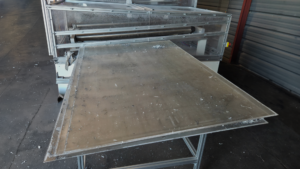
At Mondragon Assembly, our approach is different. Rather than focusing solely on material recovery rates, we focus on material quality preservation. Through our advanced waterjet-based solar panel delamination technology, part of our innovative solar panel recycling equipment, we separate the panel layers while enabling the recovery of cleaner and higher-purity glass.
This approach delivers three key benefits:
- Higher glass purity, increasing opportunities for industrial reuse.
- Greater economic value compared with mixed glass fractions obtained through conventional recycling.
- A more circular PV industry, where recovered materials can be reintroduced into new manufacturing processes rather than downcycled into low-value applications.
As regulatory requirements and sustainability expectations continue to grow, the future of solar panel recycling will depend not only on how much material is recovered, but on the quality of that recovery.
At Mondragon Assembly, we are helping the industry move from waste management to true resource recovery by transforming end-of-life PV modules into a valuable source of high-quality secondary raw materials.
Are Solar Panels Recyclable? The Future of High-Quality PV Recycling
Yes, solar panels are recyclable.
Modern solar panel recycling technologies make it possible to recover valuable materials such as glass, silicon, silver, aluminium, and copper, significantly reducing the impact of solar panel waste.
The challenge is not simply to recycle solar panels, but to recover valuable resources in a condition that enables their reuse in new industrial applications. Only high-purity material recovery can unlock true circularity, reduce dependence on virgin raw materials, and maximize the environmental and economic benefits of recycling.
At Mondragon Assembly, we believe the next generation of PV recycling must prioritize both recovery and material quality. Through advanced solar panel delamination technologies, we aim to preserve the value of materials, especially glass, enabling their reintegration into the manufacturing value chain.
The success of future solar panel recycling will not be measured by the amount of waste processed, but by the quantity of high-quality materials returned to the economy. That is how we transform end-of-life solar panels from waste into valuable resources for the next generation of solar energy.
As the photovoltaic industry continues to grow, the question is no longer “can you recycle solar panels?” but how efficiently and how cleanly those valuable materials can be recovered and returned to the manufacturing cycle.
Ready to unlock the full value of solar panel recycling?
Discover how advanced recycling technologies can preserve material purity, increase recovery value, and support a truly circular photovoltaic industry.
Get in touch with our experts to learn more about our photovoltaic recycling solutions.