Guide to Maintaining Solar Panel Manufacturing Equipment
Solar Panel Manufacturing Equipment Maintenance: How to Keep a Production Line Running Efficiently
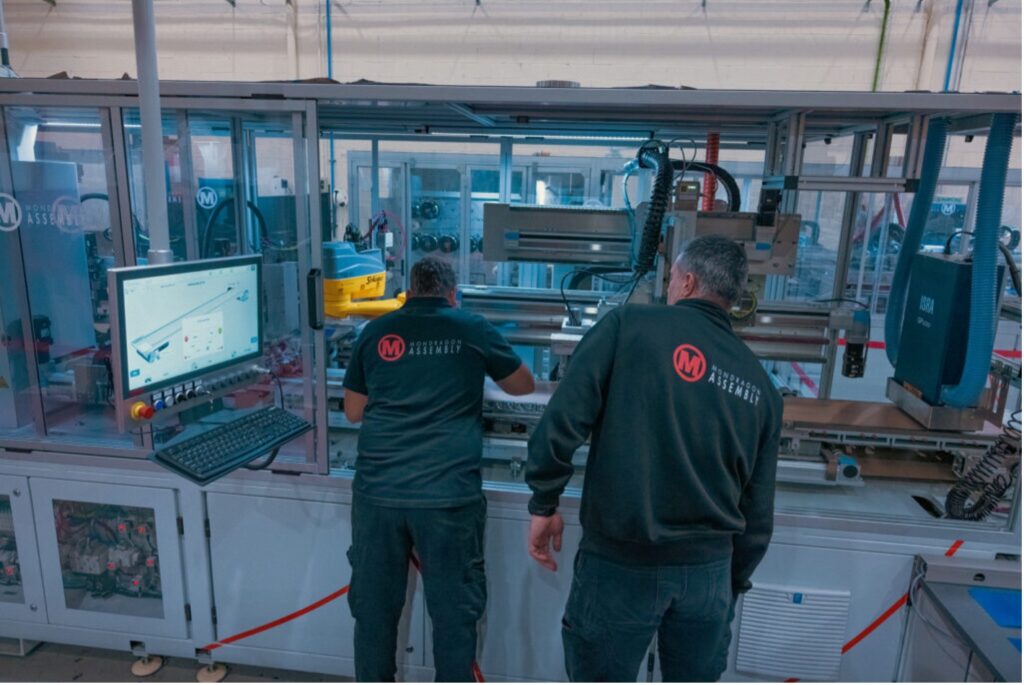
Solar panel manufacturing equipment maintenance is one of the factors that determines how much of a line’s nominal capacity becomes stable, saleable output over time. In an automated PV module production line, preventive maintenance, operator competence and responsive technical support work together to protect equipment availability, process quality and service life.
Advanced equipment is important, but it is only one part of the investment. Manufacturers also need to consider how the line will be maintained, operated and supported over the years.
Why is maintenance critical for solar panel manufacturing equipment?
Maintenance is critical because even highly automated solar module manufacturing equipment gradually loses stability when wear, contamination, misalignment or process deviations are not detected early. Unplanned downtime means lost production, disrupted delivery schedules and higher operating costs.
In production terms, maintenance directly supports equipment availability – one of the three core dimensions of OEE, together with performance and quality. Mondragon Assembly explains these relationships in its guide to photovoltaic production line performance and OEE.
The risk is not limited to a complete machine stop. Small deviations in process parameters can persist for days or weeks and create systematic quality losses before the root cause becomes obvious. Preventive maintenance is designed to detect those signals earlier, keep the line within its intended operating conditions and extend the useful life of the equipment.
This becomes even more important in customized or non-standard module production, where process requirements and tolerances can be more application-specific and the margin for variation may be narrower.
What should preventive maintenance cover in a photovoltaic production line?
A preventive maintenance program should be built around the actual equipment and process configuration of the line, rather than a generic checklist. In practice, it should cover four areas.
- Inspect critical mechanical, pneumatic and electrical systems
Periodic inspections help identify wear, loose connections, pneumatic losses, abnormal movement and other deviations before they become failures. Sensors and vision systems should also be checked because positioning and inspection accuracy directly influence process stability.
- Clean and calibrate process-critical components
Vacuum cups, robots, guides, positioning systems, sensors and cameras need appropriate cleaning and calibration so each station continues operating within its design parameters. In solar manufacturing, a small positioning or handling deviation can propagate into downstream quality problems.
- Replace wear components in a planned way
Belts, bearings, pneumatic elements and other wear parts should be managed proactively. The objective is simple: replace a predictable wear item during planned maintenance instead of allowing it to cause an unplanned stop that affects the full production line.
- Use production data to detect recurring deviations
Maintenance becomes more effective when technicians can combine physical inspections with production data, alarms and quality trends. Mondragon Assembly’s solar manufacturing approach includes MES-based production monitoring and traceability to help identify what is happening in the line and investigate the causes of problems.
The maintenance plan should also reflect the specific solar manufacturing equipment installed in the line — for example, stringer, interconnection, lay-up or laminator equipment — as each technology has different inspection, calibration and wear points.
How does operator training improve solar production line performance?
Operator training improves performance because the people closest to the equipment are often the first to notice changes in noise, movement, alarms, cleanliness or process behavior. A trained operator does not replace the maintenance team, but can detect warning signs earlier and prevent avoidable misuse.
Training for a solar production line should cover three levels:
- Operational training: correct and safe use of the equipment, recipes, interfaces and standard procedures.
- Basic maintenance training: daily checks, cleaning routines, visual inspection and recognition of early warning signs.
- Continuous training: software updates, new functions, process changes and optimization opportunities as the line evolves.
Mondragon Assembly includes role-specific technical training within its services for photovoltaic production lines, with programs for operators, maintenance technicians and line managers, supported by practical training on the production equipment. Building this knowledge inside the plant reduces dependency on external support for routine tasks and improves operational resilience.
What technical support helps minimize downtime when an issue occurs?
Even with a strong preventive maintenance program, incidents can still occur. When they do, the impact depends heavily on how quickly the issue can be diagnosed, how easily the right specialist can intervene and whether the required spare part is available.
Effective technical support should therefore combine three capabilities:
- Remote diagnostics and troubleshooting, so issues that do not require physical intervention can be resolved without waiting for a site visit.
- On-site technical assistance through a service network capable of supporting the plant when a remote resolution is not possible.
- Strategic spare-parts management, especially for components whose absence could turn a minor failure into a prolonged production stop.
For a solar manufacturer, these capabilities should be evaluated before purchasing the line, not after the first breakdown. The equipment supplier’s service model is part of the real lifecycle performance of the investment.
What does a complete lifecycle service strategy look like?
The strongest results come from treating maintenance, training, monitoring, technical support and spare parts as one system rather than five separate services. The shared objective is to keep the solar production line stable, productive and adaptable throughout its useful life.
At Mondragon Assembly, maintenance programs are developed around the equipment and engineering of each project, while operator training is integrated into commissioning and technical support continues after ramp-up. This approach turns after-sales service into an operational capability rather than a reactive response to failures.
For manufacturers evaluating a new factory, the same lifecycle logic should be considered alongside line capacity, automation level and process flexibility when comparing turnkey lines for PV module manufacturing.
Conclusion: maintenance should be part of the equipment decision from day one
The productivity of a solar module manufacturing line depends on more than the technology installed. Preventive maintenance, trained operators, production monitoring, responsive technical support and spare-parts availability all influence how reliably the line performs over time.
If you are evaluating a new photovoltaic manufacturing line, include lifecycle service capabilities in your supplier selection criteria. Explore Mondragon Assembly’s solar production line services and solar manufacturing equipment to see how maintenance, training and technical support are integrated into a long-term production approach.